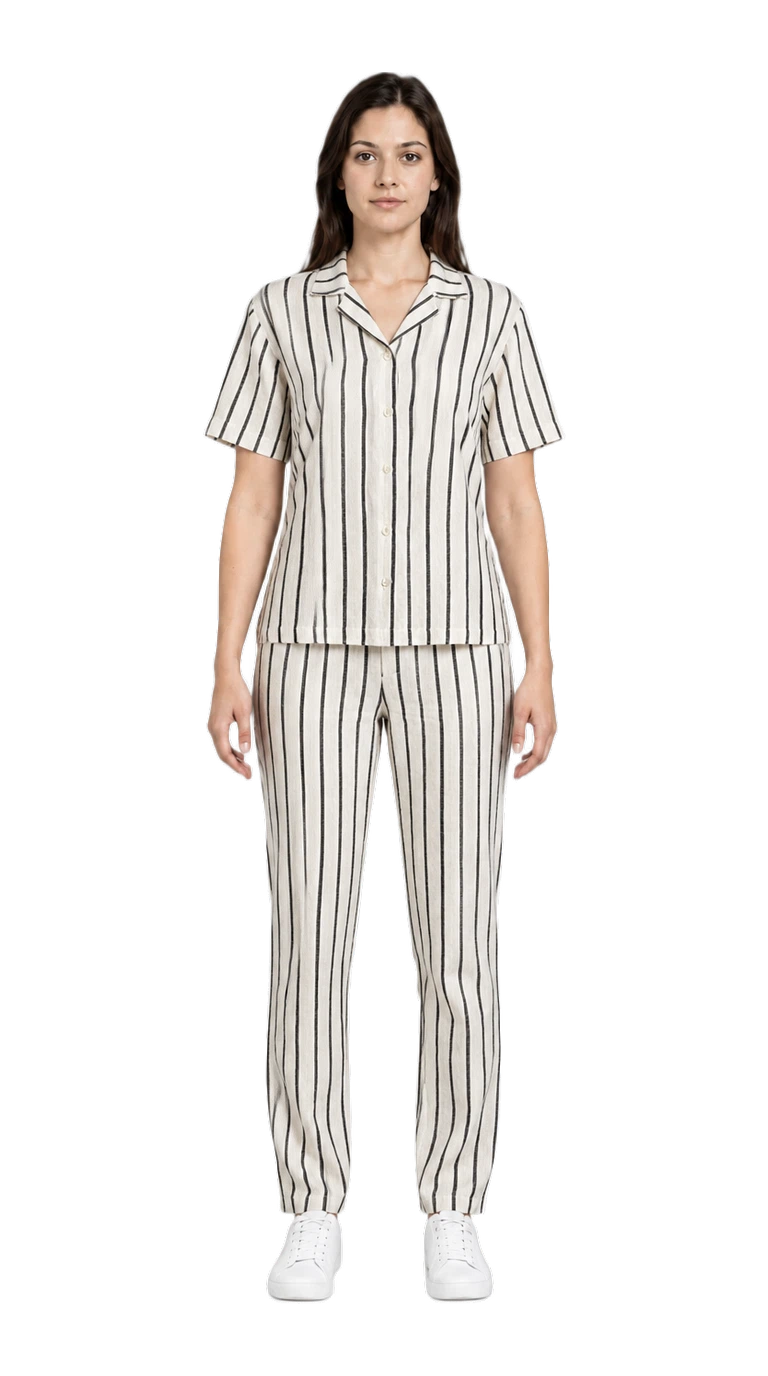
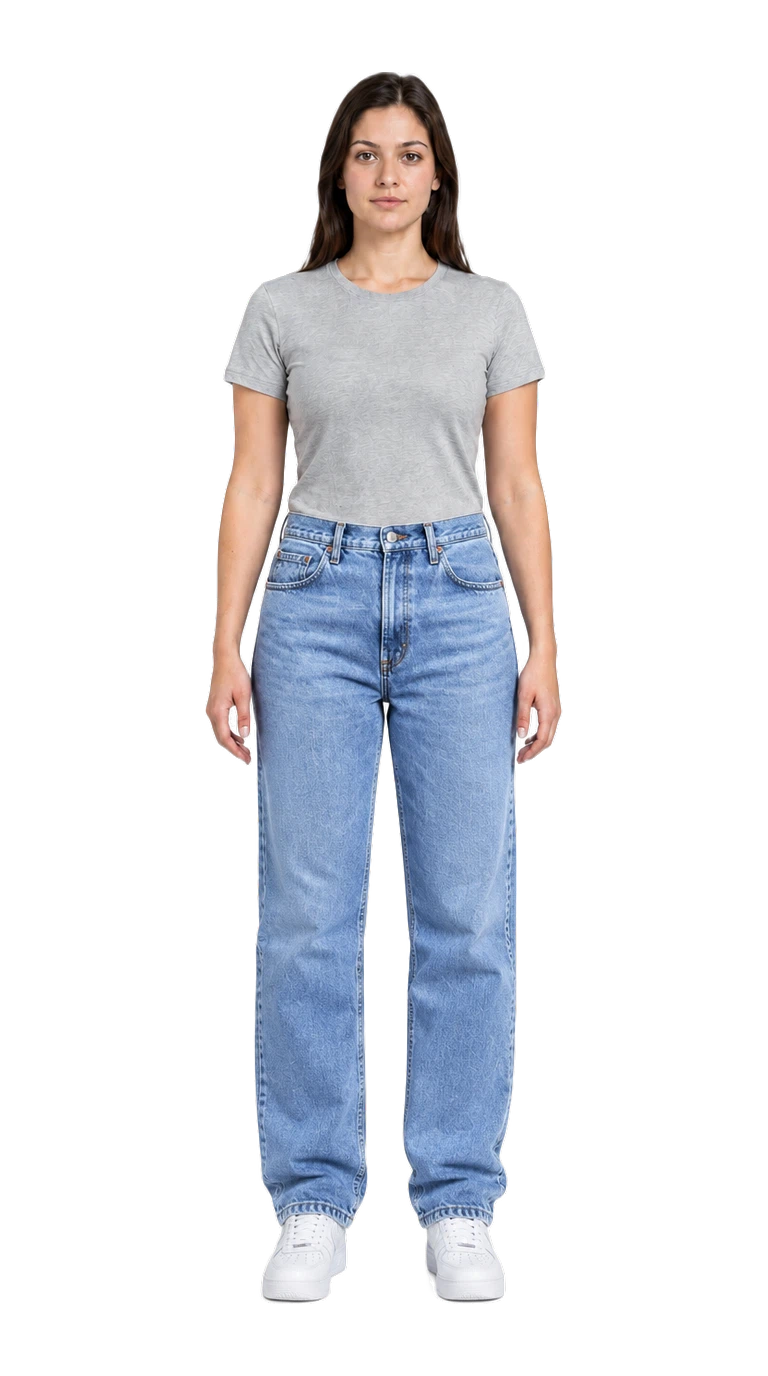
The extra layer in the picture.
Our SSENSE shirt example kept an underlayer from the source outfit. A closer look at what a layered photo can leave uncertain.
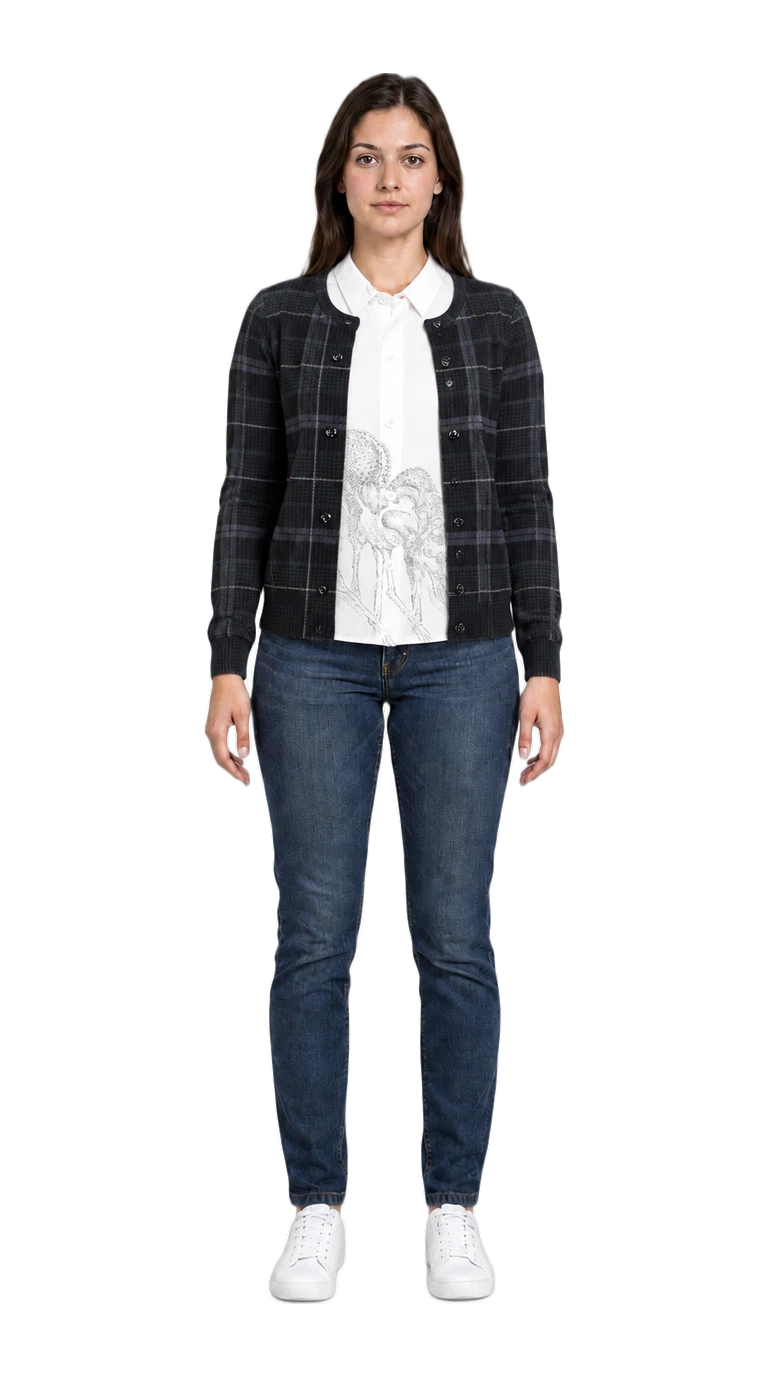
A product photo often shows a complete outfit even when the listing sells one garment. In our SSENSE test, that distinction became visible in the result: the requested checked shirt appeared with a printed white underlayer from the source model's outfit.
The item was the OUR LEGACY Gray Whoppin Shirt. On October 12, 2026, we sent its image through nista's production try-on flow using the same fictional reference as our other retailer checks. The accurate-profile output retained the long sleeves but carried over the white underlayer and changed the collar.
The source outfit contains several visual instructions
A person looking at a styled product image can use the title and listing description to distinguish the item for sale from the clothes around it. A generated result may still include details from those surrounding pieces. Our observed underlayer transfer is one example; it is not a universal explanation of how every layered image behaves.
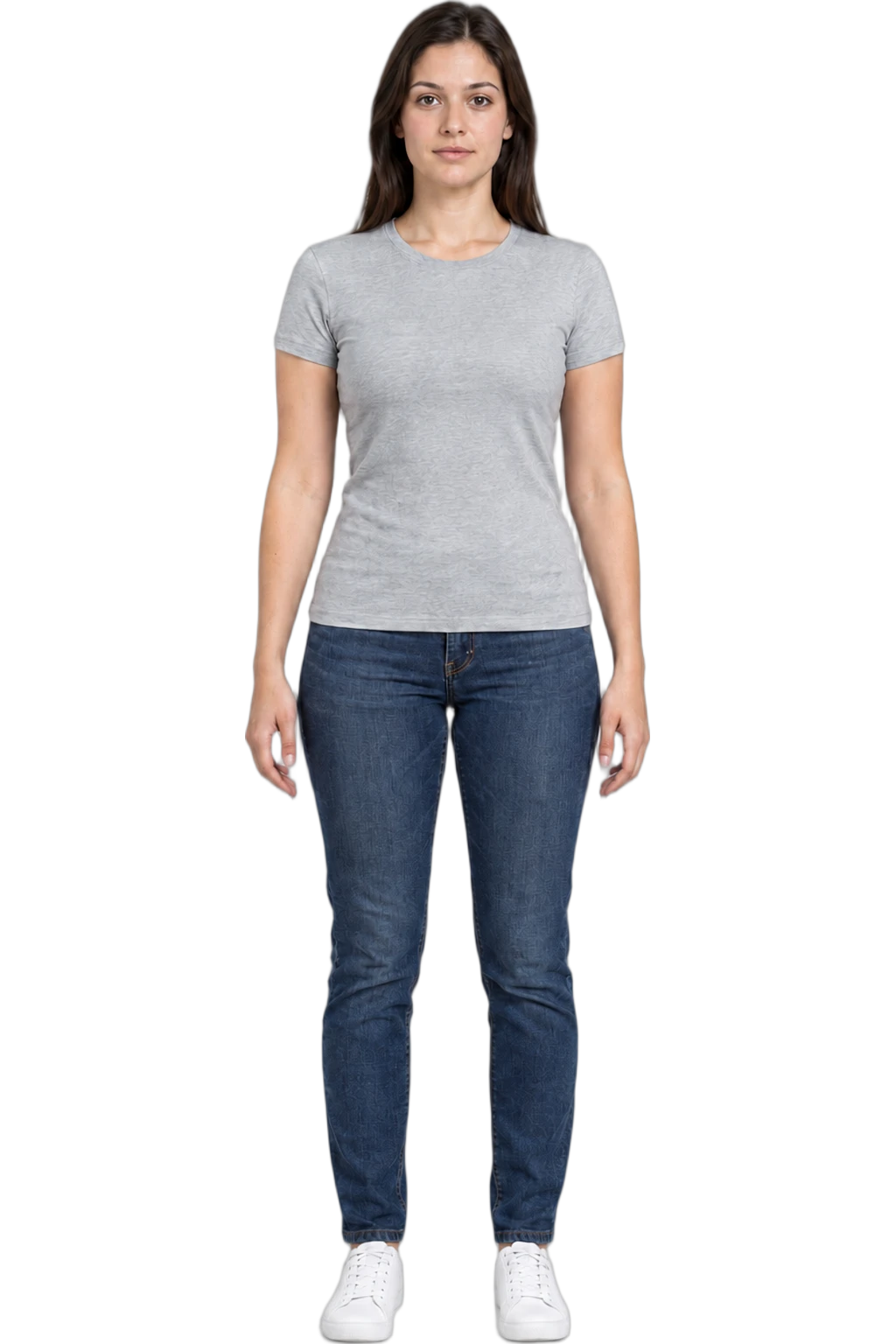
The fast-profile result also transferred the underlayer and lost the long sleeves. That difference is why we inspect the image itself rather than treating a completed request as a correct garment rendering.
Read the image and the listing together
Before trying an item, note what the seller says is included. Look for an isolated garment view, a back view and close-ups of the collar or closures where available. You do not need a perfect photograph to explore a preview, but missing or layered information should stay visible as uncertainty.
After generation, compare the same details again. If an extra shirt or changed collar appears, return to the actual listing rather than inferring that the product includes it. Our guide to checking product photo angles offers a simple way to organize that comparison.
Keep the claim as narrow as the test
This was one image check, not a physical fitting or an installed-extension test. A separate SSENSE messenger-bag check duplicated the bag, so this shirt example should not be used as proof of accessory performance either.
The SSENSE retailer page keeps the observed result and its limits together. For another kind of image uncertainty, see the Depop example where a front view was never supplied.