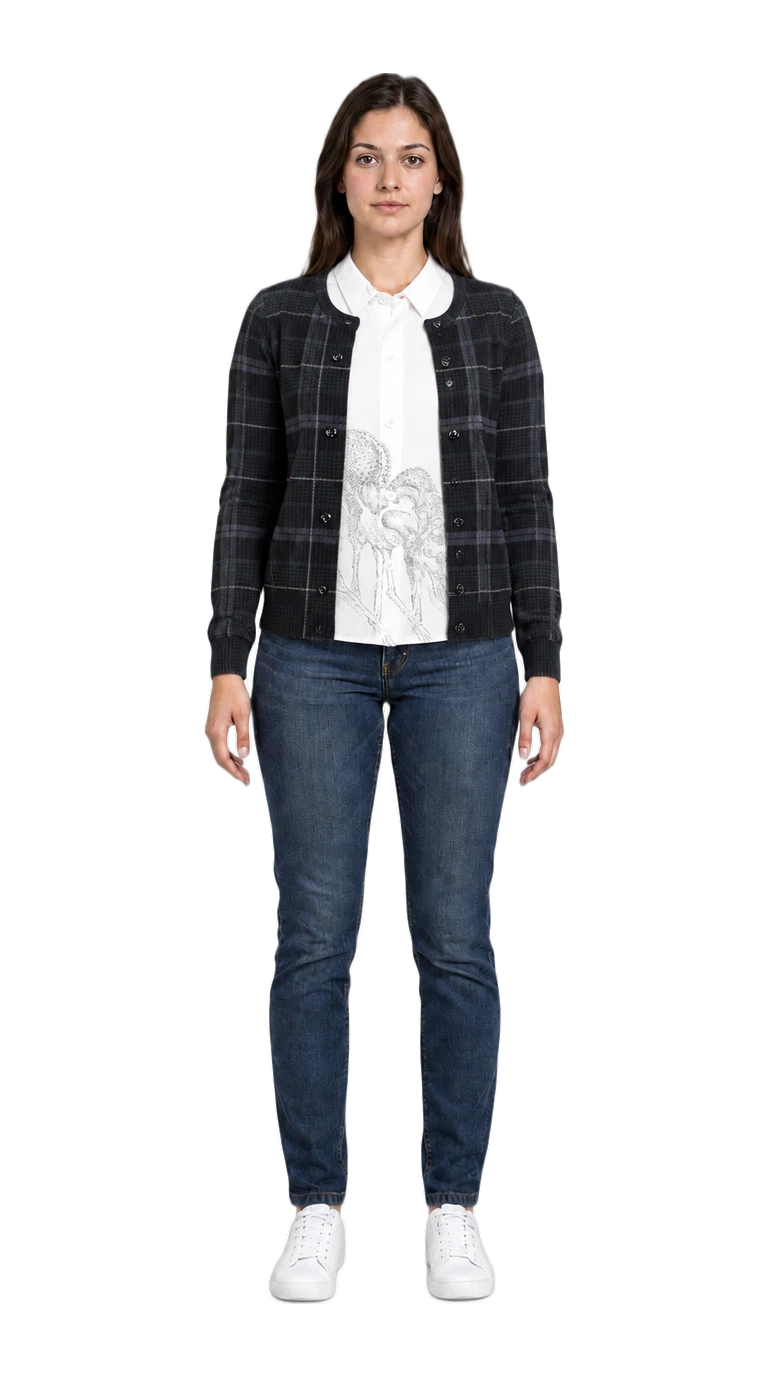
A preview is not a size chart.
Use the image for one question and measurements for another. A practical way to keep appearance, dimensions and comfort separate.
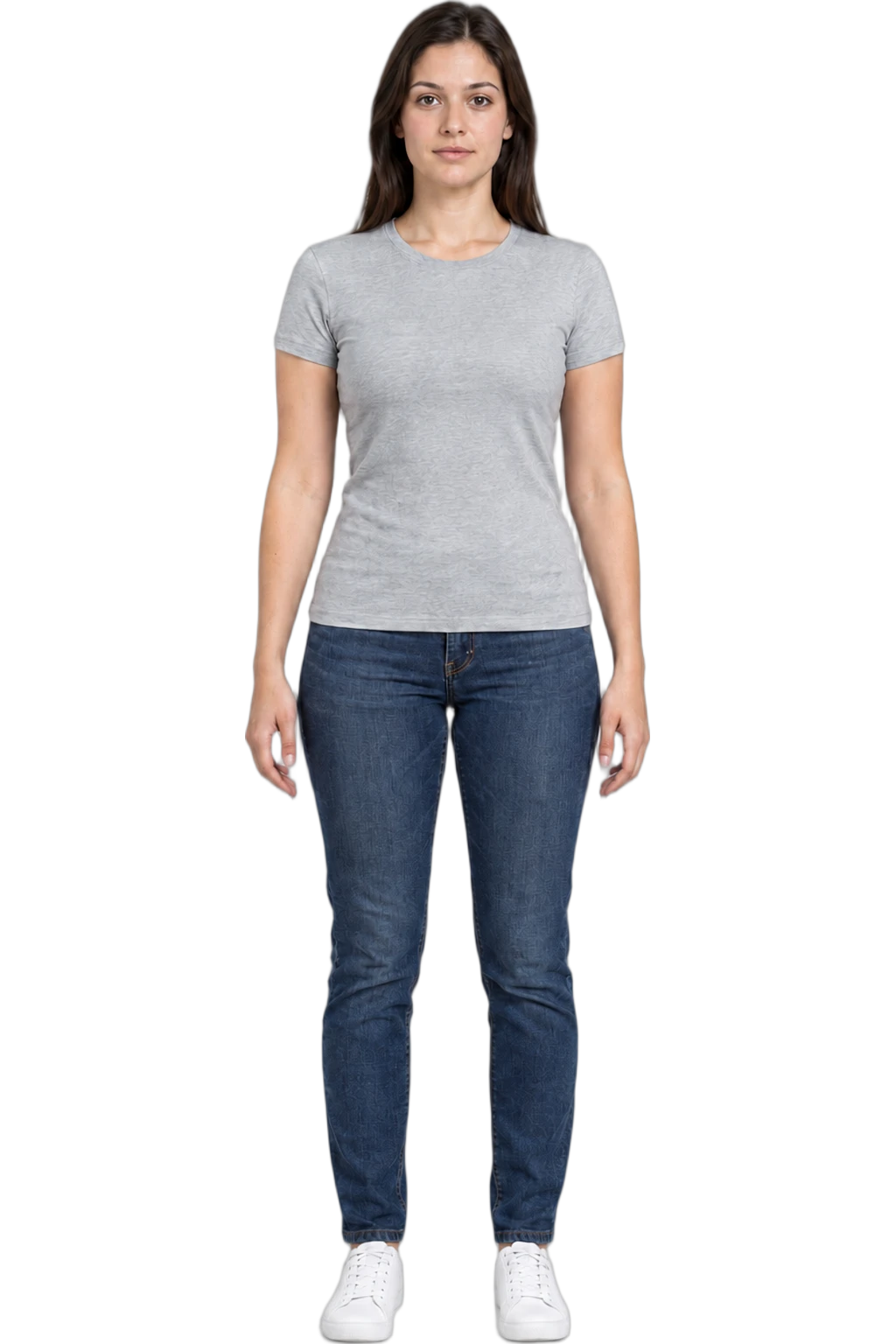
A generated clothing image and a size chart answer different questions. The image lets you explore an appearance, subject to the details it may change. The chart provides stated dimensions or a sizing recommendation under the seller's measuring method. Neither can reproduce the experience of moving in the actual garment.
Keeping those roles separate makes the shopping process clearer. You can enjoy the visual experiment without asking it to establish exact hem placement, fabric feel or the size to order.
Begin with a garment you know
Choose a similar piece you wear comfortably and measure it using the same method as the listing. Identify whether the retailer's chart describes body measurements or finished garment measurements before comparing numbers.
A flat waist width is not the same number as a waist circumference. A body measurement also is not interchangeable with a garment measurement that includes room for movement. The fit answers explain these distinctions in smaller steps.
Let the image stay an image
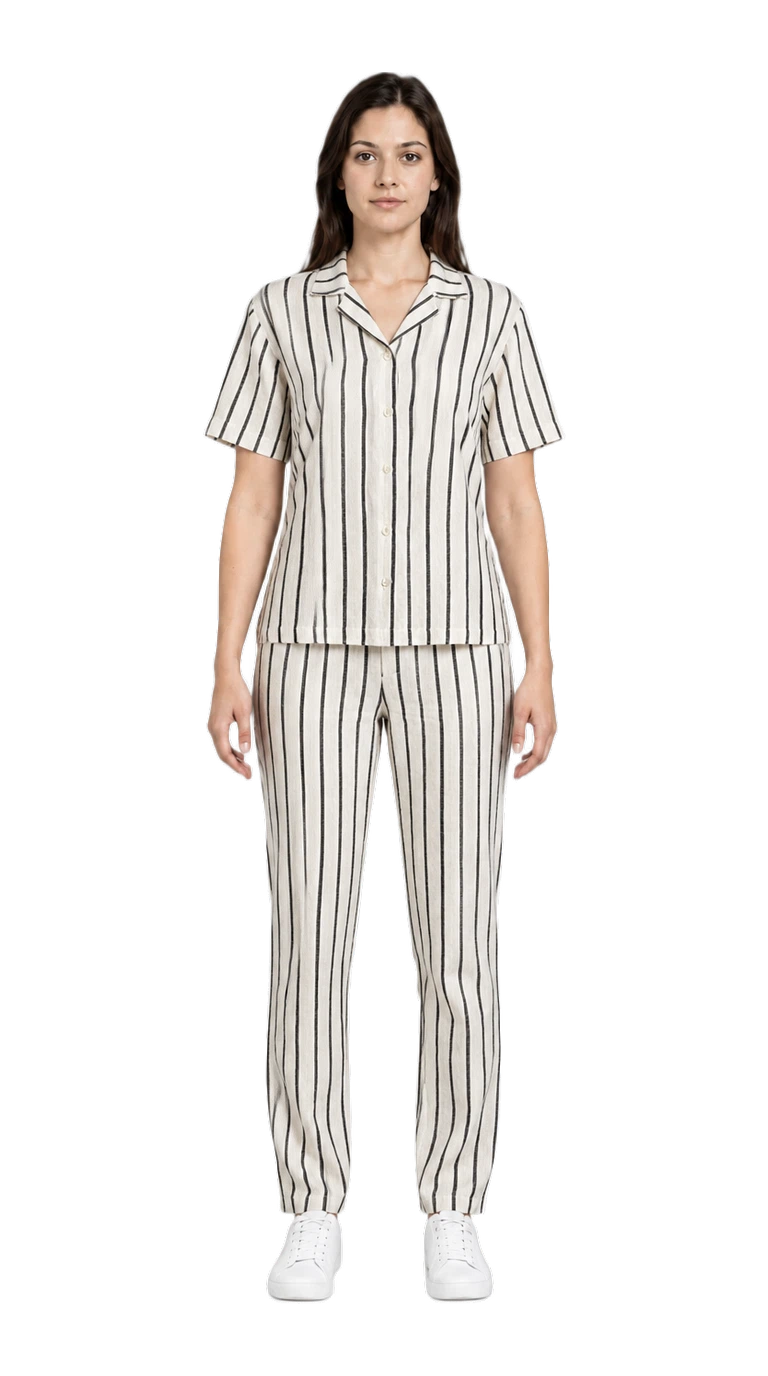
Our observed examples include changes to trousers, collars and underlayers. A back-only jeans image also produced an inferred front. Those results are useful reminders to keep the actual product photograph available when reviewing a preview.
They do not establish an accuracy percentage, a return-rate improvement or exact physical fit. The accuracy guide records the limits without turning one result into a claim about every garment.
Check comfort when you can
When the garment arrives or an in-person fitting is available, sit, reach and walk in it with the intended layers. Follow the seller's current instructions while deciding whether to keep it. Notice pressure, movement and fabric feel as well as the mirror image.
If you cannot try the item before purchase, resolve the most important dimensions and construction questions with the seller and read the current purchase terms. Uncertainty does not disappear because the preview looks convincing.
Use each source for what it can support: an image for visual exploration, a listing for the item's stated details, measurements for comparison and the real garment for physical experience. Together, those checks provide a more grounded decision than asking any one of them to do everything.