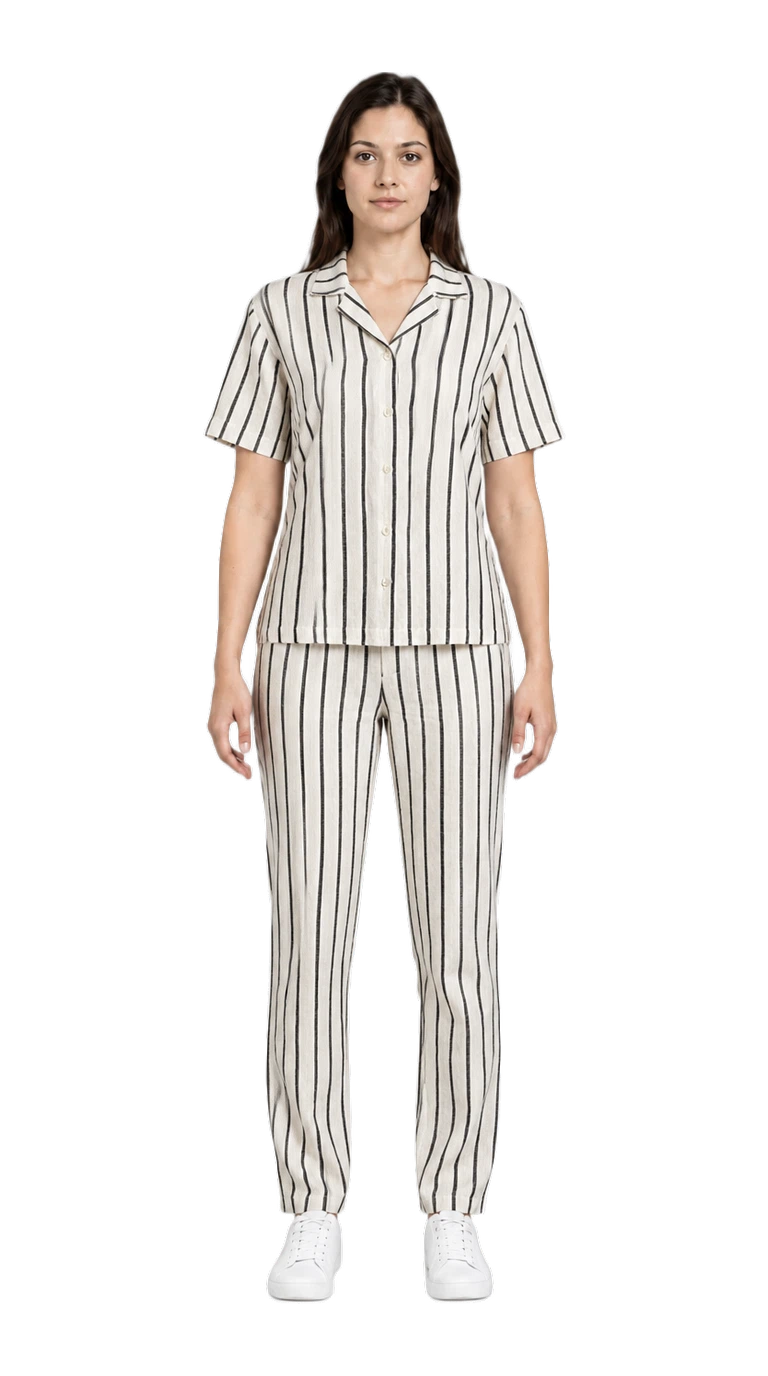
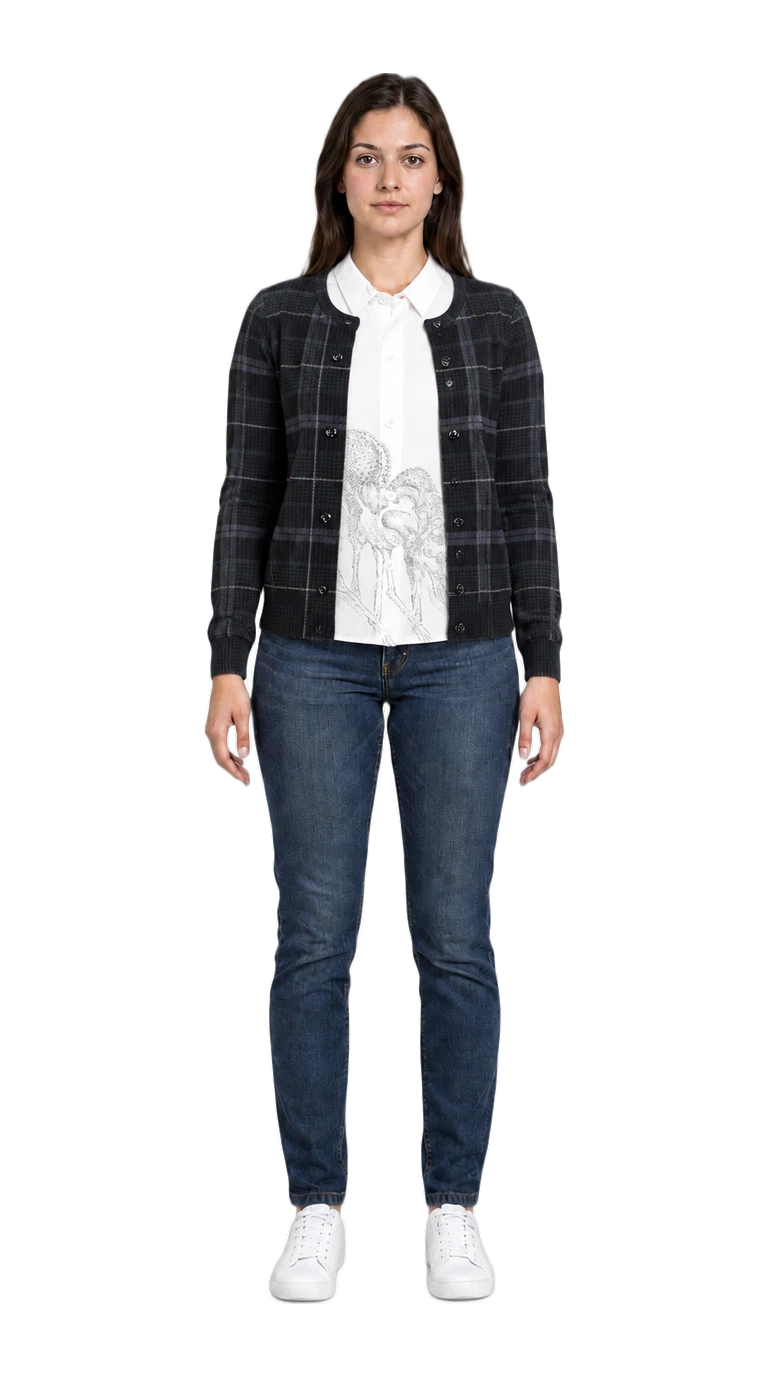
Compare the item, not just the photograph.
A beautiful listing can still leave important questions unanswered. Here is a small comparison method for your next shopping tabs.
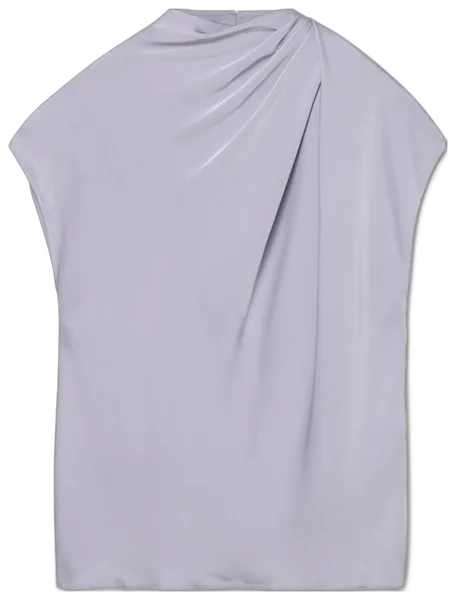
A product photograph gives you a quick impression. A buying decision usually needs more: dimensions, fabric, construction, condition and the seller's current terms. Keeping those details together helps you compare two items without letting the better photograph answer every question.
Start with the feature that matters most to you. For a blouse, that might be sleeve coverage or the way a neckline closes. For trousers, it might be rise or thigh room. A useful comparison begins with your need rather than the order of the retailer's images.
Make a small table
| Detail | First option | Second option |
|---|---|---|
| Dimensions relevant to me | Record the actual method and unit | Use the same method and unit |
| Fabric and lining | Copy confirmed details | Mark anything missing as unknown |
| Construction | Note closures, pockets or seams | Compare the same features |
| Current purchase terms | Check this item and location | Check this item and location |
An unknown belongs in the table. Leaving the cell blank can make you forget that one listing never answered the question. Our two-listing comparison guide keeps the process short.
Separate styling from what is included
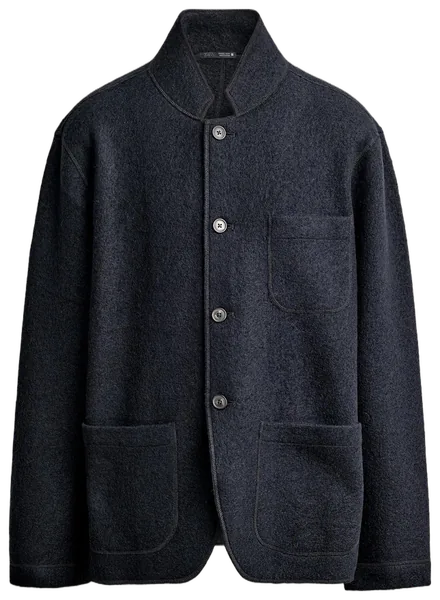
A model may wear several pieces even when the listing sells only one. Check the title and included-item description before treating a belt, underlayer or matching bottom as part of the purchase.
The same care applies to a generated preview. In our SSENSE example, an underlayer from the source outfit carried into the result. In the Zara example, trousers changed even though only a shirt was selected.
Resolve the question that changes the decision
You do not need every possible detail about a garment. Ask for the missing information that would actually affect your choice: an interior photo, a sleeve measurement, a clarification about condition.
Keep the seller's answer with the listing and return to your intended outfit. The goal is to understand the item well enough to decide whether it serves that purpose. A compelling image can start the process; it should not quietly substitute for the rest of the evidence.