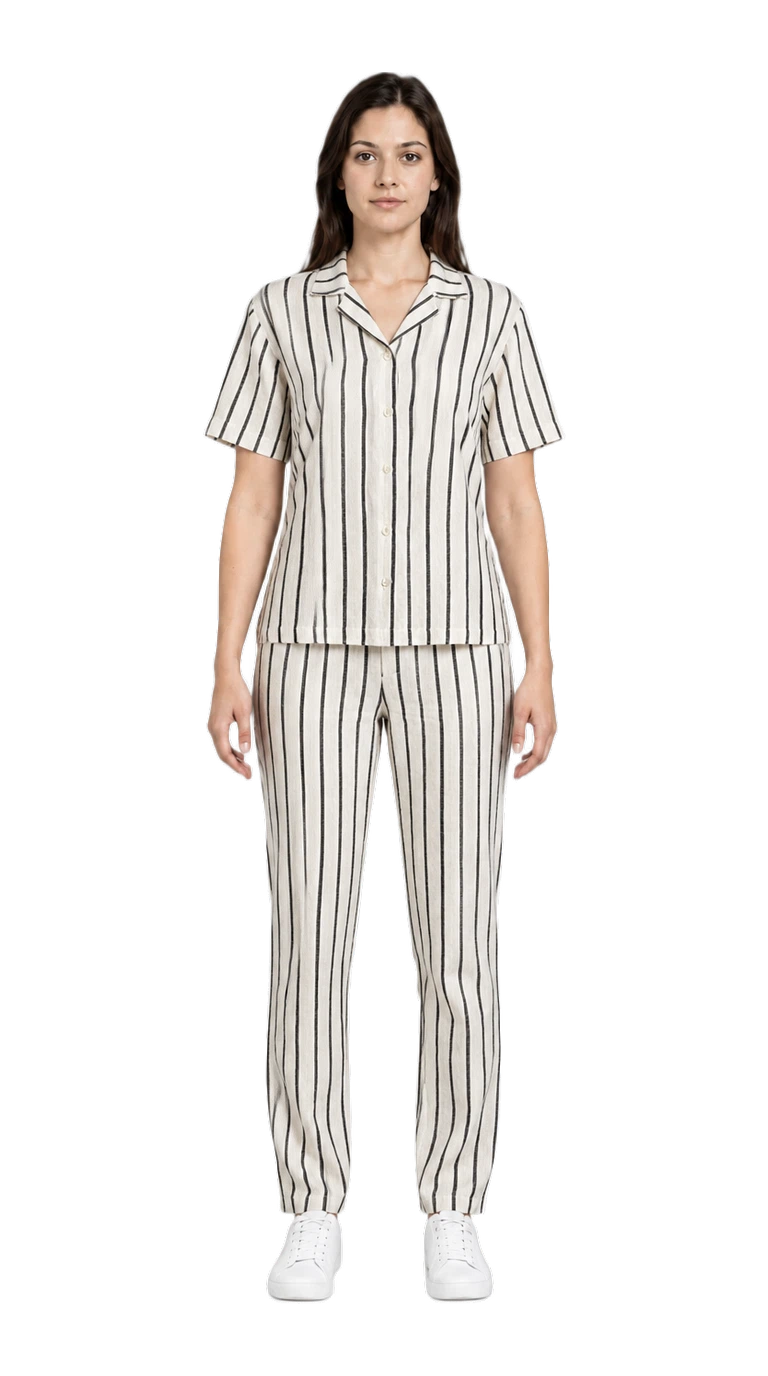
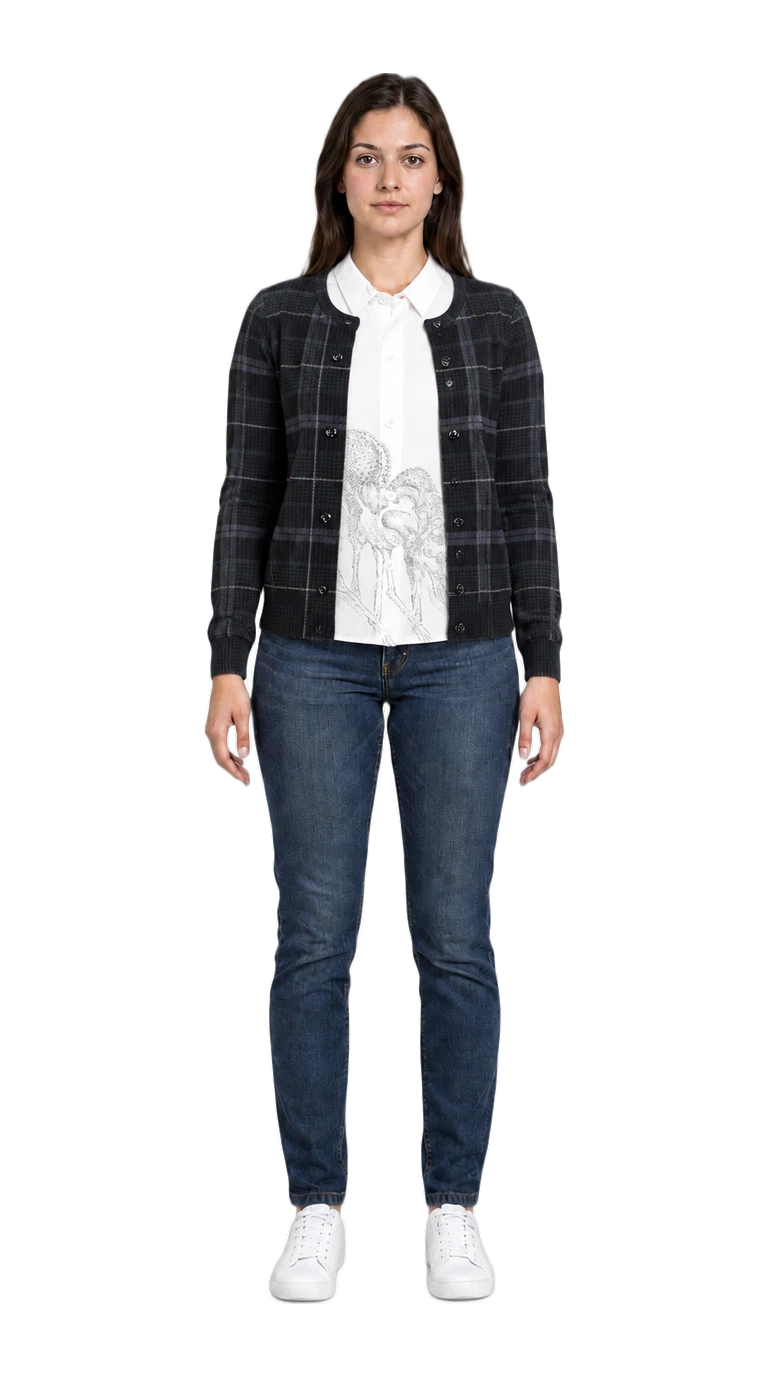
Pack for the trip you are taking.
A small bag works better when every outfit has a real plan behind it. Start with the itinerary, layers and shoes you know.
A packing list is a set of decisions about a trip, not a contest to fit the fewest possible things into a bag. Start with where you will go, what you will do and how you will care for the clothes while you are away.
Write the itinerary in ordinary terms: a long walk, a work meeting, dinner, a travel day. Check the forecast and any specific venue requirements. Then build complete outfits, including shoes and layers, from clothes you have already worn.
Let layers share the work
A layer that works with several outfits can be useful, provided it fits comfortably over them. Try it fastened over the thickest realistic combination and check the sleeves, shoulders and pockets.
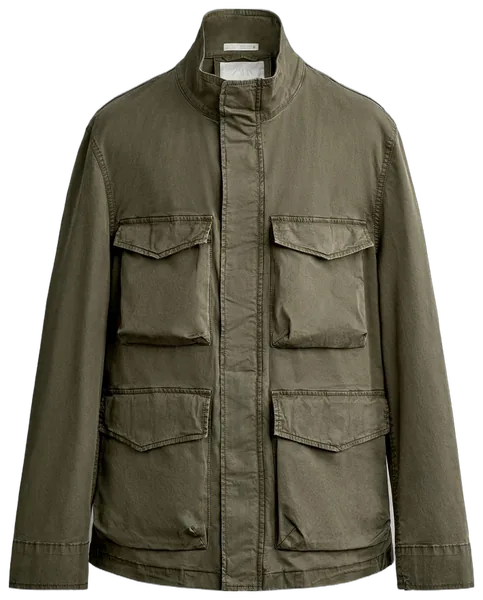
The khaki jacket pictured here is a garment reference. Its shape and fabric appearance do not tell us whether it protects against rain. For weather protection, use the manufacturer's explicit information and the conditions you expect. Our rainy-weather packing answer separates those questions.
Plan around actual laundry
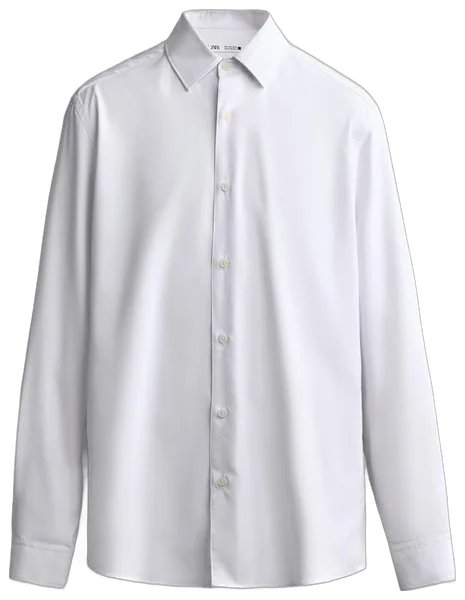
If you expect to wash clothes, check what facilities are available and leave realistic drying time. Follow the garments' care instructions. A plan that depends on everything being clean and dry the same evening may be difficult to maintain.
Keep a comfortable return-travel outfit available too. It can reuse pieces, but the last day deserves a place in the plan. See travel laundry planning and the return outfit checklist.
Test the shoes with the bag
Walk in the full outfit carrying what you expect to carry. This catches details that a flat lay misses: a strap that rubs a sleeve, a layer that is difficult to remove, or shoes that only feel comfortable while standing still.
A preview can help you imagine a combination, but it cannot establish those experiences. Before packing a new purchase, compare the actual item with the reason you chose it.
After the trip, make a short note of what worked and what stayed unused. Those observations will make the next list more useful than starting from a generic capsule again.